Debugging Your Biotech Career: AI, Computational Biology, and the Future of Pharma
On July 16, 2026, students, researchers, and early-career professionals gathered at the Pacific Design Center in West Hollywood for Debugging Your Biotech Career: AI, Computational Biology, and the Future of Pharma. Hosted by BCLA, the evening brought together leaders across biotechnology, computational biology, and data science to explore one of the biggest questions facing the next generation of scientists: how is artificial intelligence changing the future of research… and how should we prepare for it?

From the keynote through the panel discussion and networking session, the conversation remained grounded in something bigger than technology itself. It became an honest discussion about career pivots, lifelong learning, mentorship, and what it means to build a scientific career in a field evolving faster than ever before.
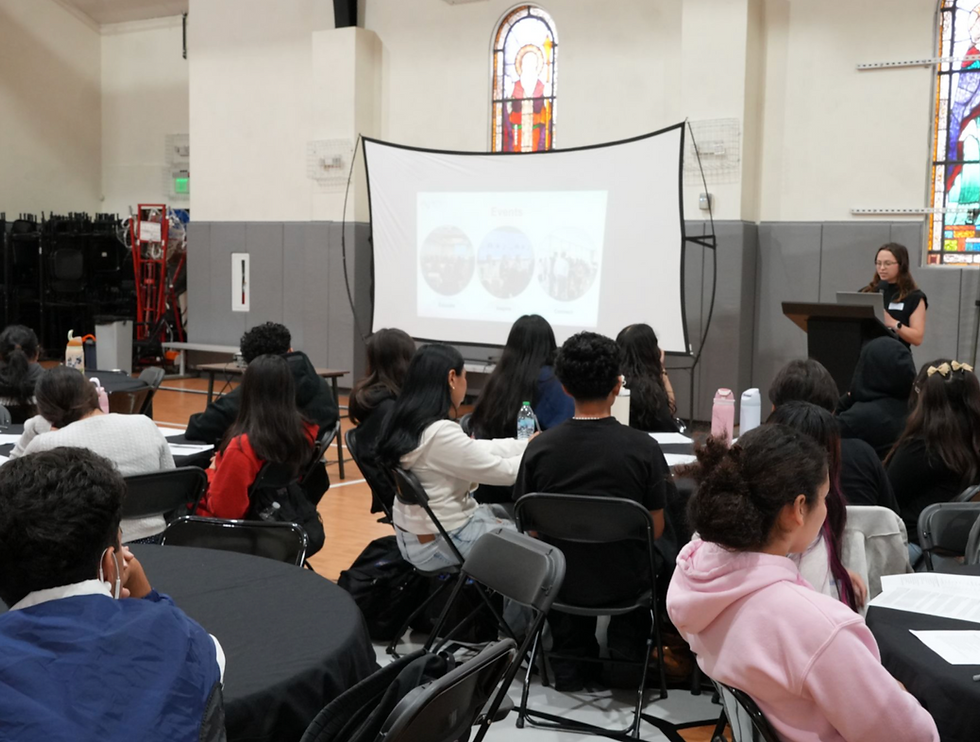
The evening opened with a keynote presentation from Maxwell Bay, Ph.D., Senior Quantitative Analyst with the Los Angeles Dodgers, whose career journey reminded attendees that some of the most meaningful opportunities begin as side projects. Trained as a neuroscientist, Dr. Bay never planned to work in professional baseball. During graduate school, he began analyzing publicly available baseball data simply because he loved the game. Those independent projects eventually led to collaborations with the baseball analytics community, opportunities with the Houston Astros, and ultimately his current role with the Los Angeles Dodgers. His story illustrated how curiosity, persistence, and a willingness to share your work can open doors in unexpected places.
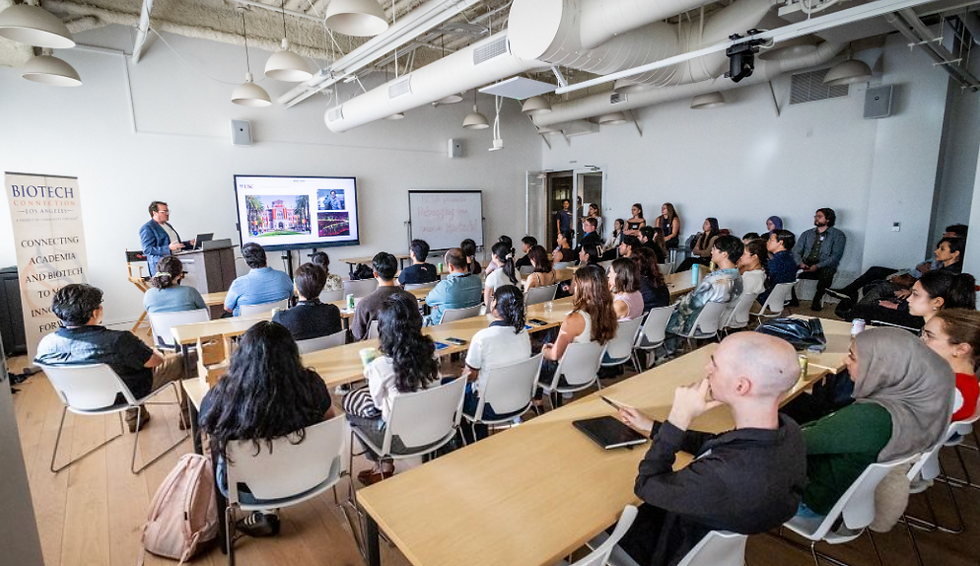
Throughout his keynote, Dr. Bay emphasized that while AI is rapidly transforming scientific workflows, success will depend on adaptability rather than perfection. He encouraged attendees to build public portfolios, stay engaged with research communities, mentor others, and continue exploring ideas beyond their primary work. Above all, he reminded the audience that while AI can accelerate research, it cannot replace the scientific understanding, critical thinking, and creativity required to ask meaningful questions and interpret results responsibly.
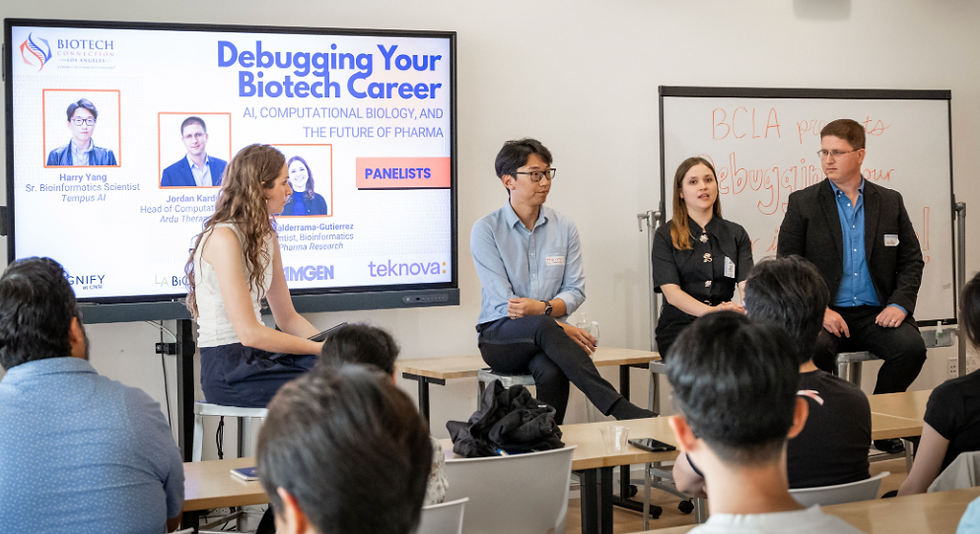
The keynote was followed by a panel discussion featuring Harry Taegyun Yang, Ph.D., Senior Bioinformatics Scientist at Tempus AI; Jordan Kardos, PhD, MBA, Head of Computational Biology at Arda Therapeutics; and Gabriela Balderrama Gutierrez, Ph.D., Senior Scientist, Bioinformatics at Kite Pharma Research, and moderated by UCLA Ph.D. candidate Anna Fraser. Drawing on experiences across diagnostics, oncology, and computational biology, the panelists shared insights into building careers in today's biotech industry.
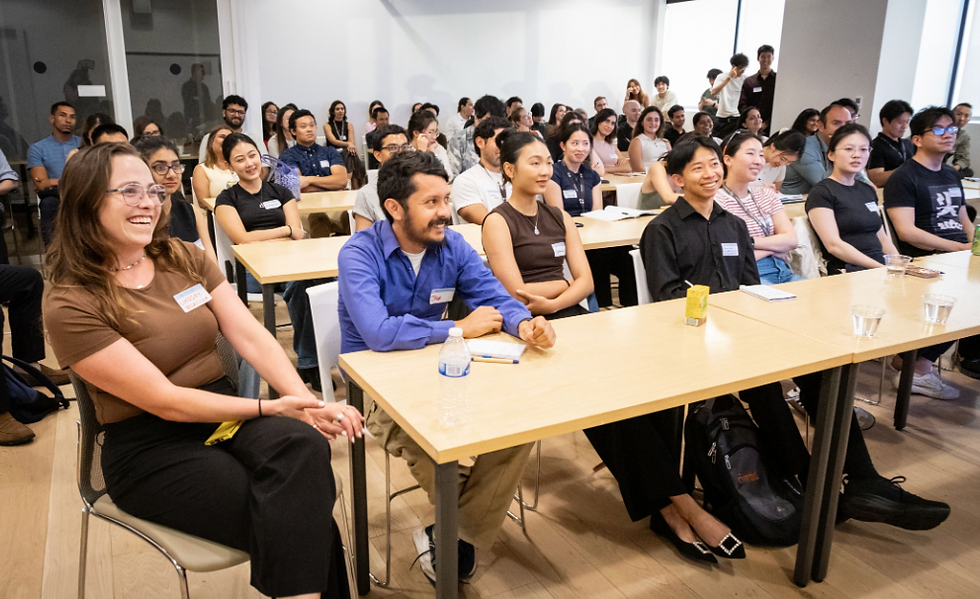
A recurring theme was that while AI is making coding, data analysis, and routine workflows faster and more accessible, employers increasingly value scientific reasoning, domain expertise, and the ability to collaborate across disciplines. The panelists also discussed the transition from academia to industry, highlighting the faster pace of research, cross-functional teamwork, and the importance of communicating science effectively to clinicians, regulatory teams, and business leaders.
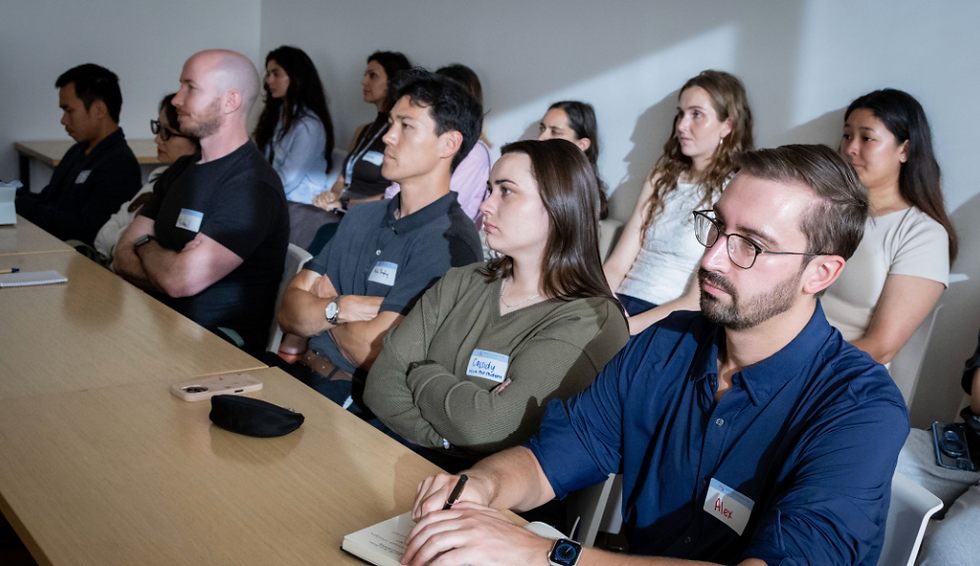
During the audience Q&A, attendees asked about preparing for industry careers, networking, interviewing, and standing out in an increasingly competitive job market. The panelists encouraged students and early-career scientists to pursue internships, build meaningful professional relationships, communicate their science effectively to diverse audiences, and embrace AI as a tool for learning rather than a shortcut. They also emphasized the importance of maintaining a strong scientific foundation, noting that while AI can generate code or analyze data, it cannot replace the ability to ask meaningful scientific questions or critically evaluate the results.
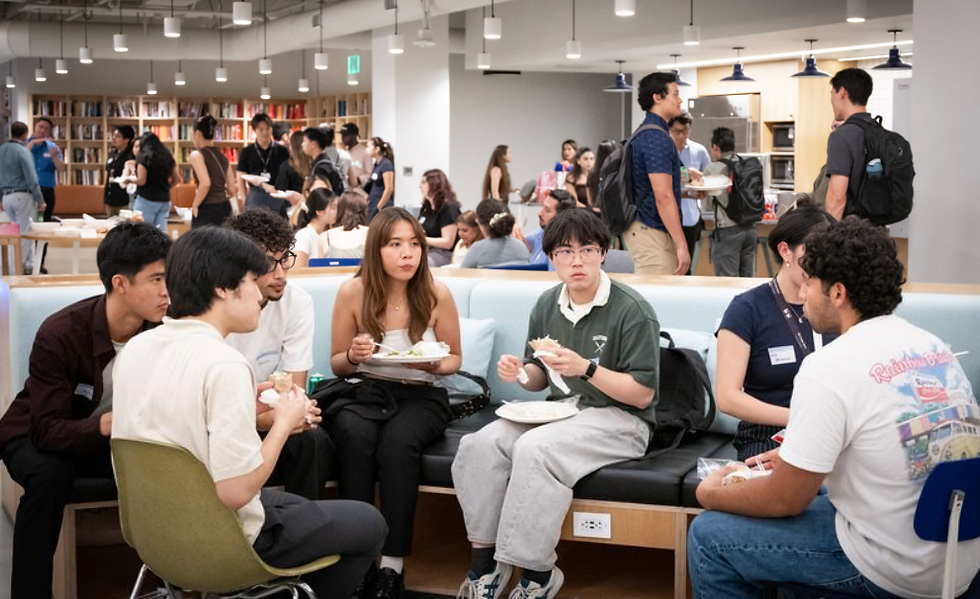
Following the panel discussion, attendees gathered over food and refreshments for networking and continued conversations with speakers and fellow biotech professionals. The reception provided an opportunity to exchange ideas, share career experiences, and build new connections within the biotech community.
More than anything, Debugging Your Biotech Career reminded attendees that there is no single path into biotechnology. As AI reshapes the industry, the scientists who thrive will be those who pair technical expertise with creativity, collaboration, and a commitment to lifelong learning.
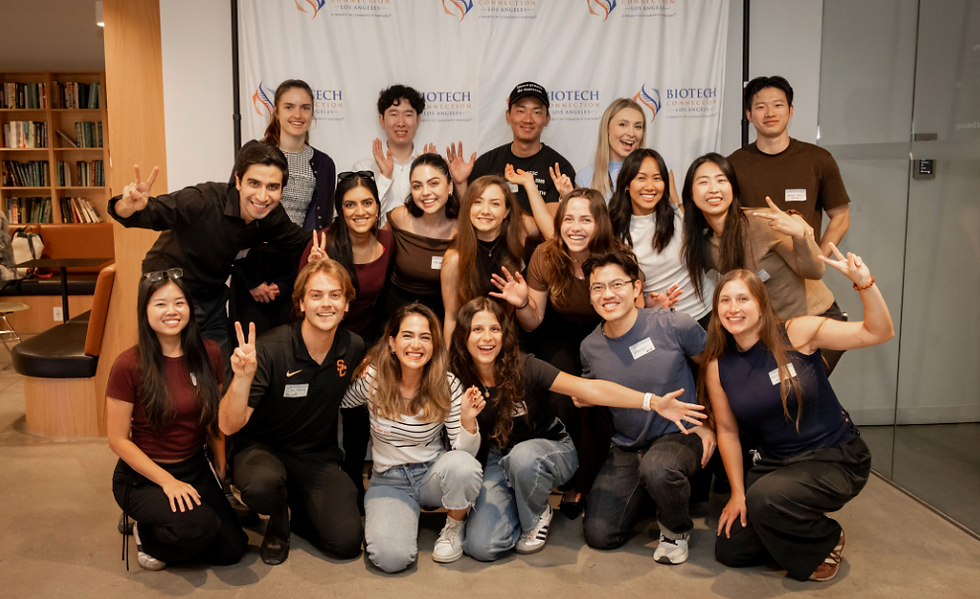
BCLA extends its sincere thanks to everyone who joined us and helped make the evening so engaging and impactful. We are especially grateful to our keynote speaker, our moderator, and our distinguished panelists for sharing their experiences so openly. We also thank our photographer, Nancy Newman, for capturing the evening, and extend our gratitude to our core sponsors, Amgen, Teknova, LA BioSpace, and Magnify at CNSI for their continued support in making programs like this possible.


Comments